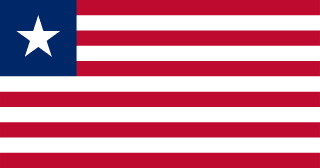
Discover
The identity of the nation
Liberia was born from a unique story in Africa: founded in the early nineteenth century by freed African Americans, it became in 1847 the first independent republic on the continent. That past gave the country a name that means liberty, but it also planted deep divisions between the descendants of the settlers and the dozens of peoples who had already lived in the region for centuries, wounds that still shape national identity today.
The Christian faith is professed by the vast majority of the population, alongside a Muslim minority concentrated mainly among traders and peoples of the interior. But Liberian spiritual life is more complex than the numbers suggest: traditional initiation societies such as the Poro (for men) and the Sande (for women) continue to shape rites of passage even in families that call themselves Christian, and it is common to find Christian prayers mixed with old practices of spiritual protection.
Two civil wars, between 1989 and 2003, left more than two hundred thousand people dead and an entire generation marked by displacement and violence. Just a few years after rebuilding peace, the country still faced a severe Ebola epidemic. Amid these trials, the church grew and became one of the few spaces of trust and communal rebuilding, with vibrant worship services and communities that learned to forgive and start over.
Today Liberia is working to rebuild its institutions, its economy based on rubber and iron ore, and its healthcare and education systems, still among the most fragile in the region. The greatest missionary challenge is not to bring the name of Christ, already widely known, but to deepen discipleship, train well prepared leaders, and help the local church reach the smaller peoples of the interior who still have no Christian community of their own.
- Peoples of Mande, Kwa and Mel tradition had already inhabited the region for centuries when the first settlers arrived.
- 1822 Freed African American settlers land at Cape Mesurado and found the first settlement.
- 1847 Independence declared; Liberia becomes the first independent republic in Africa.
- 1926 Large scale rubber production begins, which comes to sustain much of the country's economy.
- 1980 A military coup ends more than a century of rule by the settler descended elite.
- 1989-2003 Two civil wars devastate the country and leave more than 250,000 dead.
- 2005 A free election brings to power the first elected woman head of state in Africa.
- 2014-2016 A severe Ebola epidemic hits the healthcare system and the economy hard.
- 2018 A peaceful transfer of power brings to government a former football player, a national icon in the country.
- Today The country is rebuilding institutions and its healthcare system, with the evangelical church growing rapidly.
-
Englishofficial, used in education, government and as a common language among the ethnic groups
-
Kpellespoken by the country's largest ethnic group, in the center and the north
-
Bassasecond largest native language, common in the capital region
-
Grebospoken in the southeast, one of the first peoples in the country to accept Christianity
-
Krulanguage of peoples linked to fishing and port work, on the southern coast
-
Mandingospoken by Muslim traders linked to the trade routes of the West African interior
-
Vaipeople who created the only native syllabic alphabet in West Africa
Liberia lies on the Atlantic coast of West Africa, between Sierra Leone, Guinea and Ivory Coast. A strip of beaches, mangroves (trees that grow in the coast's salt water) and lagoons gives way to hills and plateaus in the interior, up to the mountains on the border with Guinea. More than half of the territory is covered by dense tropical rainforest, one of the largest remaining stretches of original forest in West Africa, with great variety of plants and animals.
Major cities
- MonroviaCapital and largest city, main port and the country's economic center
- GbarngaImportant commercial and educational center in the interior
- BuchananThe country's second largest port, linked to the export of ore and rubber
- GantaBorder city with Guinea, a commercial and transit hub
- KakataCity near the rubber plantations, on the way to the interior
- VoinjamaMain city of the northwest, near the border with Guinea and Sierra Leone
- ZwedruRegional center in the southeast, close to the forest and the border with Ivory Coast
- HarperHistoric city in the far south, founded by African American settlers
Climate and temperature
Jollof rice
Rice cooked in a tomato and pepper sauce with meat, chicken or fish, an everyday dish
Palm butter soup
Creamy stew made from palm fruit pulp, cooked with meat or fish and served with rice
Cassava leaf
Pounded cassava leaves cooked in palm oil with meat or fish, one of the country's most beloved dishes
Fufu
Dough made from cassava or plantain pounded into a soft ball, served alongside soups and stews
Pepper soup
Very spicy fish or meat broth, served on special occasions
Sweet potato leaf
Sweet potato leaves cooked with dried fish and palm oil
Understand
Culture and spirituality
2a · The culture
Respect for elders
Elders are consulted before any important decision in the family and the community
Traditional Poro and Sande societies
Male (Poro) and female (Sande) initiation brotherhoods shape rites of passage in many ethnic groups, even among Christian families
Communal life
The extended family and neighborhood ties matter more than individual achievement
Heritage of the African American settlers
The capital and part of the traditional elite carry customs brought by the freed former slaves, visible in the architecture and surnames
Music and dance
Drums, work songs and dances mark celebrations, worship services and daily life
Hospitality
Sharing food and shelter with those who arrive is considered a moral duty, even with few resources
- Asking about the civil war without sensitivity Many families lost relatives and still carry deep wounds from the conflict
- Mocking or insisting with questions about the Poro and the Sande These are secretive and respected traditional initiation societies; persistent curiosity is seen as disrespectful
- Using the left hand to greet or hand something over Considered impolite among several Liberian ethnic groups
- Pointing a finger directly at someone Seen as aggressive; point with an open hand or with the head instead
- Treating the country's poverty with pity The dignity and the capacity for rebuilding of the Liberian people deserve recognition, not pity
- Skipping the greeting before discussing business Jumping straight to the point without greeting first comes across as cold and impolite
2b · The field
Areas of spiritual battle and cultural captivity to cover in prayer. Tap each point to understand:
The Poro and the Sande, traditional initiation societies, still shape the faith of many who call themselves Christian
The Christian faith mixes with traditional beliefs and rituals, including amulets for spiritual protection
Decades of civil war left trauma, distrust and a desire for revenge that is still unresolved
Distrust of public institutions also feeds disbelief in religious leadership
Rivalries between ethnic groups still divide families, churches and communities
Dependence on outside aid weakens the self esteem and self reliance of the people
The faith is widely professed, but deep biblical discipleship is still rare
The low literacy rate limits direct access to the Scriptures
Child marriage and abuse still mark the lives of many girls and women
The Ebola epidemic left marks of fear and distrust across entire communities
Religious freedom is respected by law and lived out in practice: Christians and Muslims coexist in relative peace, often within the same family, and interfaith marriages are common.
The greatest pressure on the Christian faith does not come from the state but from the traditional initiation societies, the Poro and the Sande, which continue to shape rites of passage in various ethnic groups. Those who decide not to take part in these rituals, or who leave traditional practices behind to follow Christ more radically, may face rejection from their own family and community.
Decades of civil war and the Ebola epidemic left deep wounds, and part of the spiritual search of the Liberian people still mixes Christian prayers with amulets and traditional healers. The evangelical church is growing and is socially respected, but the challenge lies in deepening discipleship beyond mere nominal adherence to Christianity.
The persecution score runs from 0 to 100: the higher it is, the greater the pressure on Christians.
Liberia is home to 37 ethnic groups catalogued by the Joshua Project, among peoples of Mande, Kwa and Mel tradition together with the descendants of the African American settlers. Most of the larger groups, such as the Kpelle and the Bassa, already have access to the Bible and established churches, but six peoples, among them Muslim Mandingo communities and smaller groups of the interior, are still considered unreached, without a church of their own able to reach the rest of their people.
- 673K Unreached 11,9%
- 656K Minimally reached 11,6%
- 0 Superficially reached 0%
- 1.6M Partially reached 28,2%
- 2.7M Significantly reached 48,3%
- 6 Unreached 16,2%
- 4 Minimally reached 10,8%
- 0 Superficially reached 0%
- 17 Partially reached 45,9%
- 10 Significantly reached 27%
Source of people group data: Joshua Project (joshuaproject.net). Estimates, may vary.
Maninka Konyanka Frontier
Maninka oriental Frontier
Arab Lebanese Muslim
Gola
Vai
Manya Frontier
Maan
Source: Joshua Project. Estimates, may vary.
Pray
Intercede for this nation
Every nation carries a redemptive purpose. Marks that seem woven into the identity God desires to restore:
Go
Practical details for those who want to go
Local time
Cost of living
but high relative to local average income
Cost by city
Reference values (source: Numbeo). Confirm before traveling.
Practical points for those who go
- Bring US dollars: they circulate alongside the Liberian dollar and make payments easier
- Prepare for the rainy season: from May to October the rains are heavy and affect dirt roads
- Greet calmly: skipping the greeting before discussing business is seen as impolite
- Be patient with the electricity: power outages are frequent outside the major centers
- Wear light clothing: the climate is hot and humid all year round
- Arrange transportation in advance: roads outside Monrovia can become impassable in the rain
- Protect yourself against malaria: use repellent and consult a travel doctor about prophylaxis before you go
- Carry cash: credit cards are rarely accepted outside the major hotels
Send and sustain
Not everyone goes, everyone takes part
Not everyone goes. Everyone takes part.
Behind every worker among these peoples stands a network of people who pray without ceasing, care for the family left behind, and faithfully sustain the work. Sending is mission too.
Start with your church: introduce this nation, adopt it in ongoing prayer, and walk alongside those God is raising up to go.