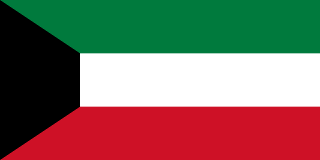
Discover
The identity of the nation
Kuwait is a small country at the northern end of the Persian Gulf, located between Iraq and Saudi Arabia, built on one of the largest oil reserves in the world. From a simple life of fishing and pearl diving, the country leapt to one of the highest per capita incomes on the planet within a few decades, without losing the hospitality and Bedouin traditions that still shape family life and the diwaniya, the traditional Kuwaiti social gathering.
Society is marked by a strong contrast: about seven in ten residents are foreign workers, coming mainly from India, Egypt, the Philippines and other Arab countries, while Kuwaiti citizens, almost all Muslim, form a minority with rights and privileges of their own. This mix makes the country a true crossroads of peoples, languages and religions within a small territory.
The Christian faith was present in this land long ago: archaeologists found a monastery and a church of Nestorian Christians, an ancient branch of Eastern Christianity, on Failaka Island, used between the 5th and 9th centuries. After that, Christianity disappeared from the region for almost a thousand years. Today, the Christians living in Kuwait are almost all foreigners, who can gather in registered religious compounds, though these are too small for the number of believers. Sharing the faith with a Kuwaiti is prohibited by law, and anyone born Muslim who decides to follow Jesus faces strong pressure from their own family.
Among the country’s spiritual challenges are the materialism fueled by oil wealth, divisions between families and tribes, and the labor sponsorship system called kafala, which leaves foreign domestic workers, often women, vulnerable to abuse inside the homes where they live. The situation of the bidun, people born in the country without recognized nationality, who live on the margins of basic rights, also stands out.
Even so, Kuwait holds gifts that can be used for the Kingdom: genuine hospitality around coffee and dates, the strength of rebuilding shown after the 1990 invasion, and the presence of dozens of nationalities living side by side, which opens rare doors for the Christian faith to reach, through migrant workers, also the countries they come from.
- Archaeological finds show settlements of the Dilmun civilization on Failaka Island dating back to around 3000 BC.
- 4th century BC Under Alexander the Great, Greek settlers name Failaka Island Icaros.
- 5th-9th centuries A Nestorian Christian community, an ancient branch of Eastern Christianity, lives on Failaka Island, with a monastery and church.
- Mid-18th century The Bani Utub tribal confederation settles in the bay where Kuwait City stands today.
- 1752 The Al Sabah family takes leadership, beginning the dynasty that still rules the country today.
- 1899 An agreement with the United Kingdom makes Kuwait a British protectorate.
- 1938 The discovery of the Burgan oil field transforms the country's economy.
- 1961 Independence from the United Kingdom, on June 19.
- 1990 Iraq invades and occupies Kuwait.
- 1991 An international coalition liberates the country in the Gulf War.
- Today One of the richest countries in the world per capita, with a strong presence of foreign workers and a small number of Christians, almost all migrants.
-
Kuwaiti ArabicGulf dialect spoken daily by the local population
-
Standard ArabicUsed in education, media and official documents
-
EnglishWidely used in business, commerce and as a second language
-
Hindi and UrduSpoken by a large share of workers from India and Pakistan
-
TagalogLanguage of the tens of thousands of Filipinos working in the country
-
MalayalamSpoken by workers from the Indian state of Kerala
Kuwait is a small country at the far north of the Persian Gulf, between Iraq and Saudi Arabia, with about 17,800 km2, much smaller than many Brazilian states. Almost the entire territory is flat, sandy desert with no permanent rivers, and life is concentrated along the narrow coastal strip. The country has nine islands, the largest of them the uninhabited Bubiyan, connected to the mainland by a bridge.
Major cities
- Kuwait CityCapital and financial center, on the Persian Gulf
- HawalliThe most populous city in the country, with a large concentration of foreign residents
- Al AhmadiOil city, headquarters of the state-owned Kuwait Oil Company
- Al JahraHistoric gateway to the desert, north of the capital
- SalmiyaCoastal district known for shopping and family life
- Al FarwaniyaDensely populated residential area, home to many foreign workers
Climate and temperature
Machboos
Basmati rice with meat or chicken, seasoned with dried lime (loomi) and spices; the country's most traditional dish
Harees
Creamy wheat porridge with meat, slow-cooked; common during Ramadan
Murabyan
Rice with meat, caramelized onion and a touch of dried tomato
Balaleet
Sweetened thin vermicelli with saffron, served with an omelet on top; a classic breakfast dish
Gahwa
Light Arabic coffee with cardamom, served in metal pots (dallah) as a symbol of hospitality
Dates
Fruit of the date palm, offered alongside coffee to any visitor as a sign of welcome
Understand
Culture and spirituality
2a · The culture
Diwaniya
Traditional social gathering in reception halls, where business, politics and daily life are discussed
Coffee and date hospitality
Serving Arabic coffee (gahwa) with dates to a visitor is an almost sacred gesture of welcome
Bedouin heritage
Many Kuwaiti families descend from nomadic desert tribes, and values such as honor, generosity and family loyalty remain central
Sea and pearls
Before oil, generations of Kuwaitis lived from fishing and pearl diving in the Persian Gulf
Nabati poetry
Improvised Bedouin poetry is celebrated on television programs and popular contests
Extended family life
Important decisions usually involve the whole extended family, not just the closest household
- Drinking alcohol in public It is prohibited by law throughout the country, even for foreigners
- Eating, drinking or smoking in public during the day in Ramadan It is offensive and can be considered an offense, even for non-Muslims
- Photographing government buildings, military bases or people without permission It can be seen as a security threat and cause serious trouble
- Wearing short or low-cut clothing in public Modesty in dress is expected of men and women, Kuwaitis and visitors alike
- Showing physical affection in public Kisses and hugs between couples in public places are frowned upon
- Openly criticizing the ruling family or religion It is seen as a serious lack of respect and can have legal consequences
- Using the left hand to eat or greet It is considered less honorable in many Arab and Muslim traditions
2b · The field
Areas of spiritual battle and cultural captivity to cover in prayer. Tap each point to understand:
Oil wealth makes consumption, cars and luxury symbols of status and success
The labor sponsorship system, called kafala, ties foreign workers to their employer and creates room for abuse
Clan or tribal origin still shapes social and political opportunities within the Kuwaiti people itself
Thousands of bidun, people without recognized nationality, live without full access to education, health care and formal work
Whoever leaves Islam faces rejection from family and community, a strong brake on freedom of faith
Belief in the evil eye and spirits (djinn) leads many to seek protection outside of God
Being Muslim is tied to being Kuwaiti, which makes a change of faith a matter of family and national honor
Citizens and foreign workers live in separate circles, rarely sharing faith, home or deep friendship
Domestic workers, often isolated inside the homes where they work, have little access to support and to the church
Among young people from wealthy families, consumption, travel and screens compete with traditional faith for their hearts
Christians in Kuwait are, in the vast majority, foreign workers: Filipinos, Indians, Lebanese and Westerners who can gather in registered religious compounds, though these are too small for the number of believers. Sharing the gospel with a Kuwaiti Muslim is prohibited by law, and conversion to Christianity is not officially recognized by the state.
Whoever is born Muslim and decides to follow Christ carries the greatest weight: the new faith is not recognized, the marriage can be annulled, inheritance can be denied and custody of children threatened. This person also faces rejection from their own family, surveillance and pressure from religious and social groups to return to Islam. Even so, a small community of Kuwaitis who believe in Jesus perseveres, almost always in secret.
The persecution score runs from 0 to 100: the higher it is, the greater the pressure on Christians.
Kuwait is a mosaic of nationalities: of every ten people living in the country, about seven are foreigners, coming mainly from India, Egypt, the Philippines, Pakistan and other Arab countries. Among the peoples considered unreached are the Kuwaiti Arabs themselves, mostly Muslim, and large communities of South Asian workers with very little contact with the Christian faith. Many of these groups live side by side with Christians of other nationalities, but almost never hear the gospel in their own language or within their own culture. Reaching these people within Kuwait can mean, at the same time, reaching their families and home communities, spread across Asia and other parts of the Middle East.
- 3.4M Unreached 69,5%
- 615K Minimally reached 12,5%
- 129K Superficially reached 2,6%
- 529K Partially reached 10,7%
- 230K Significantly reached 4,7%
- 17 Unreached 54,8%
- 4 Minimally reached 12,9%
- 3 Superficially reached 9,7%
- 5 Partially reached 16,1%
- 2 Significantly reached 6,5%
Source of people group data: Joshua Project (joshuaproject.net). Estimates, may vary.
Mahra Frontier
Árabe catarense
Omani Arab Frontier
Árabe Iemenita Frontier
Árabe Egípcio Muçulmano
Árabe Palestino
Najdi Arabs Frontier
Source: Joshua Project. Estimates, may vary.
Pray
Intercede for this nation
Every nation carries a redemptive purpose. Marks that seem woven into the identity God desires to restore:
Go
Practical details for those who want to go
Local time
Cost of living
but moderate against local salaries
Cost by city
Reference values (source: Numbeo). Confirm before traveling.
Practical points for those who go
- Gulf Arabic has its own accent and vocabulary, different from standard Arabic
- Learning a few words in Arabic is a small gesture of respect that opens doors
- The diwaniya, a social gathering in reception halls, is the center of local community life
- Avoid discussing politics or religion directly in public
- The extreme heat of summer limits outdoor activities to a few hours a day
- Friday and Saturday make up the weekend; business runs on a different rhythm
- Hospitality with coffee and dates is almost sacred; accepting is a sign of respect
- WhatsApp is the main means of everyday communication
Send and sustain
Not everyone goes, everyone takes part
Not everyone goes. Everyone takes part.
Behind every worker among these peoples stands a network of people who pray without ceasing, care for the family left behind, and faithfully sustain the work. Sending is mission too.
Start with your church: introduce this nation, adopt it in ongoing prayer, and walk alongside those God is raising up to go.