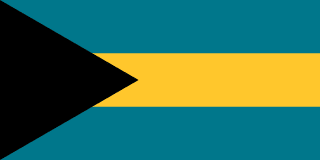
Discover
The identity of the nation
The Bahamas form an archipelago of more than 700 islands and about 2,000 cays and rocks scattered across the Atlantic, southeast of Florida and north of Cuba. Only 30 to 40 of these islands are inhabited, and more than 80% of the roughly 410 thousand inhabitants live on two of them: New Providence, home to the capital Nassau, and Grand Bahama, where Freeport is located. It is a country of turquoise seas, reefs and light sand, whose economy revolves around tourism and financial services.
The population is mostly Afro-Bahamian, descended from enslaved Africans brought during the colonial period and from loyalists who migrated from the former American colonies. National identity is vibrantly expressed in Junkanoo, the street parade with colorful costumes, drums and horns that fills the streets on Boxing Day and New Year’s Day, an African heritage preserved across generations.
The Bahamas are one of the most Christian nations in the world: about 94% of the population professes Christianity. Baptist churches are the most numerous, followed by Anglicans, Pentecostals, Adventists, Methodists and Catholics. Faith has a strong presence in public life, and Sunday still shapes the rhythm of communities. The Scriptures are available in English, the mother tongue of the majority.
Despite the strong Christian heritage, there are real spiritual challenges. Mass tourism and the wealth of some contrast with pockets of poverty, and material prosperity can cool faith into formal routine. The country is home to a significant population of Haitian migrants, many in vulnerable situations, who speak Haitian Creole and are not always fully welcomed by local churches. Practices of Obeah (Afro-Caribbean magic), an Afro-Caribbean belief system, persist in some communities.
The call in the Bahamas is not that of a closed field, but of a Christian nation that can mature in discipleship, reach forgotten migrants and send workers beyond its islands. Where there are so many churches, there is also potential for revival, depth and mission.
- c. 700 The Lucayans, a Taino-speaking Arawak people, arrive on the islands from the Caribbean and grow to about 40 thousand people.
- 1492 On October 12, Christopher Columbus lands at Guanahani, an island he renames San Salvador, his first landfall in the Americas.
- 1520 The Lucayans had been almost completely wiped out, taken as slaves to other islands; very few remained.
- 1648 British settlers, the Eleutheran Adventurers, found the first permanent European settlement, on Eleuthera.
- 1718 The Bahamas become a British Crown colony when the English suppress the piracy that dominated Nassau.
- 18th-19th centuries Loyalists and enslaved Africans arrive; Junkanoo is born among the slaves on their days off.
- 1834 Slavery is abolished in the British Empire, freeing the Afro-Bahamian majority.
- 1973 On July 10, under the leadership of Lynden Pindling, the Bahamas gain independence from the United Kingdom.
- Today A Christian and democratic nation, it lives from tourism, with challenges of inequality, migration and church maturity.
-
Englishofficial and mother tongue of the majority; the Bible is available in it
-
Bahamian Creolelocal dialect of English, spoken in everyday life
-
Haitian Creolespoken by the large community of Haitian migrants
The Bahamas are an archipelago of more than 700 islands, plus over 2,000 cays and rocks, scattered across about 260 thousand km² of the Atlantic Ocean, southeast of Florida. Only 30 to 40 islands are inhabited. The terrain is low: the highest point, on Cat Island, is no more than 63 meters. Andros is the largest island; New Providence and Grand Bahama concentrate the population.
Major cities
- NassauCapital and largest city, on New Providence; political and tourist center
- FreeportSecond largest city, on Grand Bahama; industrial and port hub
- Andros TownMain settlement of the country's largest island, Andros
- George TownCenter of Exuma, known for its crystal-clear waters
Climate and temperature
Cracked conch
Breaded and fried sea snail meat, a national delicacy.
Conch fritters
Chopped conch in seasoned batter, fried and served with sauce.
Peas n rice
Rice with pigeon peas, tomato and seasonings, a side to almost every meal.
Spiny lobster
The Bahamian rock lobster, grilled or boiled, a treasure of the local cuisine.
Guava duff
Traditional dessert of guava rolled in dough, boiled and topped with a sweet sauce.
Understand
Culture and spirituality
2a · The culture
Junkanoo
Street parade with drums, horns and colorful costumes, a symbol of Afro-Bahamian identity.
Faith in public life
The Christian presence marks daily life; Sunday still shapes the rhythm of communities.
Island and relational life
Small, close-knit communities; personal warmth and hospitality are valued.
African and British heritage
The culture blends African roots with institutions and language inherited from the British Empire.
Rhythm of the sea
Fishing, conch and coastal life shape the islands' diet and calendar.
- Treating the country as a mere resort Behind the beaches there is a people, a history and a faith that deserve respect.
- Ignoring the Haitian community Haitian migrants are many and vulnerable; despising them wounds the gospel.
- Disrespecting Sunday and the church Faith holds a central place; mocking it pushes people away.
- Confusing tourist wealth with prosperity for all There is real poverty outside the tourist centers.
- Speaking flippantly about racial or colonial politics The history of slavery is sensitive and deep.
2b · The field
Areas of spiritual battle and cultural captivity to cover in prayer. Tap each point to understand:
With so many churches, faith can become a formal routine without deep discipleship.
The wealth and consumption tied to tourism can cool spiritual fervor.
Afro-Caribbean sorcery practices persist in some communities, mixing with the faith.
The prosperity of a few contrasts with forgotten pockets of poverty.
Vulnerable migrants often go without welcome from the local church.
The geographic position makes the islands a trafficking route, with associated violence.
Geographic dispersion makes it hard to reach the most remote communities.
The economy is heavily tied to tourism and foreign financial services.
The multiplicity of churches can breed competition instead of unity.
Weakened family structures affect the passing of faith to new generations.
The Bahamas are among the countries with the greatest religious freedom in the world. The Constitution guarantees freedom of worship, and Christianity is not merely tolerated but deeply rooted in the culture and public life of the nation.
There is no organized persecution against Christians. Believers live and worship freely, and faith is openly professed in schools, in government and in the media. The spiritual challenge here is not hostility, but the risk of a faith in name only, made comfortable by prosperity and tradition.
Where there is tension, it concerns the welcome of minorities, such as the Haitian migrant community, and the residual presence of practices like Obeah, not any threat against the church. Pastoral care, unity among churches and deep discipleship are the greatest needs.
The persecution score runs from 0 to 100: the higher it is, the greater the pressure on Christians.
The Bahamas are an overwhelmingly Christian country, and the picture of its peoples reflects this: the Afro-Bahamian population and the minority of British origin are largely reached by the gospel. The missionary focus falls on less-reached groups, such as the large community of Haitian migrants, who speak Creole, and on deepening a sometimes nominal faith among Bahamians themselves.
- 0 Unreached 0%
- 0 Minimally reached 0%
- 1K Superficially reached 0,3%
- 5K Partially reached 1,3%
- 393K Significantly reached 98,5%
- 0 Unreached 0%
- 0 Minimally reached 0%
- 1 Superficially reached 14,3%
- 1 Partially reached 14,3%
- 5 Significantly reached 71,4%
Source of people group data: Joshua Project (joshuaproject.net). Estimates, may vary.
Pray
Intercede for this nation
Every nation carries a redemptive purpose. Marks that seem woven into the identity God desires to restore:
Go
Practical details for those who want to go
Local time
Cost of living
imports make almost everything on the islands expensive
Cost by city
Reference values (source: Numbeo). Confirm before traveling.
Practical points for those who go
- English is the language of everything: easy communication for those who speak it.
- Account for the high cost: almost everything is imported and prices are high.
- Plan outside the hurricane season (June to November) whenever possible.
- Transport between islands is by boats and small flights; arrange it in advance.
- The local currency, the Bahamian dollar, is pegged to the US dollar, which circulates freely.
Send and sustain
Not everyone goes, everyone takes part
Not everyone goes. Everyone takes part.
Behind every worker among these peoples stands a network of people who pray without ceasing, care for the family left behind, and faithfully sustain the work. Sending is mission too.
Start with your church: introduce this nation, adopt it in ongoing prayer, and walk alongside those God is raising up to go.